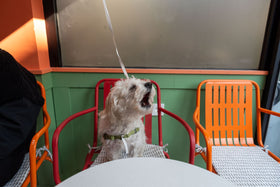



Crate Training a Puppy: The Gentle, Stress-Free Way to Start

Bringing home a new puppy is joyful, exhausting and a little overwhelming all at once. And if you're wondering whether a crate is the right thing to do, you're not alone.
Lots of loving owners feel a pang of guilt at the idea of a crate, picturing a cage rather than a comfy little bedroom. The good news is that crate training a puppy, done gently, is one of the kindest ways to give your puppy a safe place to rest.
Here's the reassuring bit up front: a crate should be a cosy den your puppy chooses to relax in, introduced slowly and always paired with nice things. It's never a punishment, and it's completely optional — a puppy pen or a safe, puppy-proofed room can work too.
This warm, step-by-step guide walks you through choosing and setting up a crate, introducing it kindly, building happy associations, how long is too long, and handling whining and night-time. One honest note: Dog's Love Store doesn't sell crates or pens — we stock the comfy beds, lick mats, safe chews and treat balls that help make the crate a lovely place to be.
- A crate is a cosy den your puppy chooses to rest in — introduced gradually with rewards, and never used as a punishment or all-day confinement.
- Crate training is optional: a puppy pen or a puppy-proofed room can work just as well, especially for longer stretches.
- How long matters. A rough guide is your puppy's age in months plus one hour as a daytime ceiling, with frequent toilet breaks and never all day.
- Introduce the crate slowly and never force it — explore with the door open, feed near then inside, then build to short closed periods and short absences.
- A crate is not a fix for separation anxiety and can make panic worse; if your puppy is truly distressed, slow down and get help from your vet and a reward-based behaviourist.
- We sell the comfort items used inside the crate — a bed, lick mat, safe chew or treat ball — not the crate itself.
Crate Training a Puppy: What It Is (And Why It Can Help)
Crate training a puppy simply means teaching your puppy that a crate is a safe, comfy den. It becomes their own little bedroom to rest, sleep and retreat to when they need some downtime.
The AKC calls it your puppy's own personal space, somewhere they feel secure. Both RSPCA and PDSA are firm that a crate must never be used as a punishment.
Done well, a crate offers real, honest benefits. It gives your puppy a cosy rest spot, a safe smaller space when you can't supervise every moment, and a familiar den for travel or vet visits. It can also gently support house-training, because puppies naturally prefer not to soil where they sleep.

Here's the reassuring part for anyone feeling guilty: the crate is optional and it's never a cage. A puppy pen or a puppy-proofed room can do the same job. Think of it as a bedroom your puppy chooses, not somewhere they're shut away.
Choosing And Setting Up The Crate
Size is the first thing to get right. The crate should be big enough for your puppy to stand up, turn around, lie down and stretch out fully — but not so vast they can toilet in one corner and sleep comfortably in another.
Many owners buy for the adult size and use a divider that grows with the puppy. As a heads-up, many welfare guides suggest wire crates over fabric ones for puppies, since needle-sharp puppy teeth can tear fabric.

Placement matters too. Pop the crate in a quiet, draught-free spot, out of direct sun and away from radiators and vents. Choose somewhere your puppy can still see the family and feel part of things. Good airflow is important, which is another reason wire crates work well.
Now make it cosy and safe: a soft, washable bed, access to spill-proof water and a safe chew. A blanket draped over the top, back and sides (leaving the front open) gives a snug den feel. One crucial safety point — always take your puppy's collar and harness off in the crate, as tags and collars can catch on the bars and pose a strangulation risk.
- Soft and washable, so it's easy to keep the den fresh and clean
- Sized to fit inside the crate without cramping standing, turning or stretching
- Helps the crate feel like a warm, inviting bedroom, not an empty box
The Step-By-Step Introduction (Gentle, Never Forced)
The golden rule here is that the crate must always be linked to something pleasant, built up in small steps at your puppy's own pace. Never lure or shove a puppy in and shut the door — that creates a fear that's hard to undo.
Start with the door fixed fully open and let your puppy explore in their own time. Scatter a few treats inside and around it, and reward any interest. Once they're relaxed, begin feeding meals in the crate, adding a soft cue like 'crate' or 'bed' just before they go in.
Only when your puppy happily wanders in do you gently close the door — for just a few seconds at first while you stay right there — then build up slowly.
Next come very short absences: step out of the room for a moment and return, gradually extending your time out of sight before you ever leave the house. Always let your puppy toilet and burn off some energy first.
Building Positive Associations And The House-Training Link
The quickest way to a puppy who loves their crate is to make lovely things happen there. A frozen, stuffed lick mat or a safe long-lasting chew gives your puppy something delicious to enjoy while they settle, so the crate becomes a place of good things — always offered under supervision.

The crate also supports house-training, because dogs prefer not to soil where they sleep. A correctly sized crate gently encourages your puppy to hold on a little — but only within what their tiny bladder can physically manage, so frequent toilet breaks are still essential.
Whenever your puppy wakes from crate time, take them straight outside to toilet, and go out again after meals, drinks and play. Never scold an accident; calm, consistent trips outside teach far faster than any telling-off.
- Spread on soft food and freeze it so it lasts longer and helps your puppy settle
- Turns quiet crate time into something calm and enjoyable
- Offer it under supervision only, and take it away when your puppy is done
How Long Is Too Long?
This is where safety really matters, because puppies have tiny bladders and need company. A common rough guide is your puppy's age in months plus one hour as a daytime ceiling between toilet breaks — so a three-month-old might manage up to around three to four hours at most. Treat this as a ceiling to adjust to your individual puppy, not a target to aim for.
| Puppy age | Rough daytime limit | Good to know |
|---|---|---|
| 8–10 weeks | Around 1 hour or less | Very frequent toilet breaks needed; needs at least one overnight toilet trip and shouldn't be left alone for long. |
| 11–14 weeks | Roughly 1–2 hours | Still needs an overnight toilet break; take them straight out every time they wake. |
| 3–4 months | Roughly 3–4 hours max | Many puppies start sleeping through the night around 4 months; still never crate all day. |
| 4–6 months | Around 3–4 hours | Bladder control is growing, but UK welfare bodies still cap crating at around 3 hours at a time — so this is a comfort and company limit, not just a bladder one. |
| Adult dog | Around 3 hours at a time | A rough ceiling, not a target — some dogs tolerate less; never all day, and never instead of exercise and company. |
UK welfare bodies are more cautious still. PDSA and Blue Cross advise never crating a dog for more than about three hours at a time, and note some dogs won't tolerate even that. The one thing every source agrees on: no puppy or dog should be crated all day, and a crate must never replace company, exercise and enrichment.
Overnight, a young puppy will usually still need at least one toilet trip, as they simply can't last the night at first. Most puppies can sleep through by around four months, but until then, be ready to get up.
Handling Whining And Night-Time
Whining usually means one of three things: your puppy needs the toilet, feels lonely or uncomfortable, or you've moved through the steps a bit too fast. The answer is to meet the need and slow down — not to leave your puppy to 'cry it out' for hours, which PDSA warns can actually increase anxiety.
There is a gentle balance here. By day, so you don't accidentally teach your puppy that screaming earns freedom, try to wait for even a small pause in the noise before opening the door for calm exits. But never ignore genuine distress or a real toilet need.
At night, it's different: your puppy has always slept piled up with littermates, so waking alone is a shock, and a cry almost always means the toilet. This is the time to respond promptly — take them straight out — rather than waiting for quiet. Keep the crate in your bedroom at first for reassurance, and comfort them through the early nights rather than leaving them to panic.

When A Crate Isn't Right: Alternatives And Getting Help
A crate suits many puppies, but not every dog — and that's perfectly okay. If you need to leave your puppy longer than they can be crated, a puppy pen or a safe, gated, puppy-proofed room is a kinder choice. Give them water, toys and a toilet area, and remember the crate is a short-term rest and management tool, never long-term confinement.

One really important caution: a crate is not a fix for separation anxiety and can make panic much worse. A truly distressed dog may injure itself trying to escape — think broken teeth, cut paws and damaged nails. Signs of genuine distress include heavy panting, drooling, frantic non-stop barking, desperate escape attempts and toileting from stress.
If you see those red flags, don't force it. Speak to your vet to rule out any medical cause, and get help from a qualified, reward-based behaviourist. A good force-free puppy class is a lovely support too.
Common Crate-Training Mistakes to Avoid
-
Avoid: Forcing or pushing your puppy into the crate and shutting the door.
Instead: Never force it. Fix the door open, scatter treats inside, and let your puppy choose to go in. Reward every voluntary entry so the crate stays a happy place. -
Avoid: Using the crate as a punishment or a time-out for bad behaviour.
Instead: Only ever pair the crate with good things — meals, chews, praise and rest. Welfare bodies are clear that crates must never be used as punishment. -
Avoid: Moving too fast — closing the door too long or leaving the room too soon.
Instead: Build up in tiny steps: seconds, then minutes, then short absences. If your puppy whines or looks worried, go back a stage and rebuild confidence. -
Avoid: Only ever letting your puppy out while it's crying, which teaches it that screaming works.
Instead: By day, wait for even a brief pause before opening the door for calm exits. At night, treat a cry as a toilet need and respond promptly, and always answer genuine distress. -
Avoid: Leaving your puppy crated too long for its tiny bladder.
Instead: Use the age-in-months-plus-one-hour guide as a rough ceiling, give very frequent toilet breaks, take your puppy straight out on waking, and never crate all day. -
Avoid: Ignoring night-time crying or leaving a puppy to 'cry it out'.
Instead: Keep the crate in your bedroom at first, expect and provide overnight toilet breaks, and comfort genuine distress rather than ignoring it. -
Avoid: Choosing a crate that's the wrong size.
Instead: It must be big enough to stand up, turn around, lie down and stretch out fully — but not so big your puppy can toilet in one corner and sleep in another. A divider that grows with your puppy is ideal. -
Avoid: Skipping the comfy, safe extras or putting the crate in the wrong spot.
Instead: Make it cosy with soft bedding, a safe chew, spill-proof water and a part-cover for nervous puppies. Place it out of direct sun and draughts in a calm, family-adjacent corner.
Kindness First, One Small Step At A Time
Done gently, crate training a puppy gives your new arrival a safe little bedroom to rest in — and gives you a calmer, more settled home. The secret is patience: go at your puppy's pace and keep every crate moment pleasant. Never turn the door into something to fear.
Remember that the crate is optional, that it's never a punishment, and that it should never mean your puppy is shut away for long stretches. If your puppy struggles or shows real distress, that's not a failure. It's a signal to slow down and, when needed, ask your vet or a qualified reward-based trainer for help.
We're here for the cosy bits that make a crate feel like a proper den. Dog's Love Store doesn't sell crates, pens or the crate itself. But we do stock the comfy beds, lick mats, safe chews and treat balls that help a puppy learn to love their quiet corner.
Take it slow, celebrate the small wins, and enjoy watching your puppy choose their den all on their own.
Keep reading
- How to Train a Puppy at Home — gentle first training steps and routines for a new puppy.
- How to Help a Dog With Separation Anxiety — ease panic when your dog is left home alone.
- Slow Feeder Dog Mat — how a lick mat calms mealtimes and quiet crate time.
Frequently Asked Questions
Is crate training cruel?
No — when it's done kindly, a crate is a cosy bedroom, not a cage. The key is to introduce it slowly with rewards and keep the door open most of the time once your puppy is trained. Never use it as a punishment or to shut your puppy away all day. If it's ever used to confine a puppy for long periods, or without any positive introduction, that's the part to avoid — not the crate itself. And remember, it's completely optional.
How long does crate training take?
There's no fixed timeline — some puppies are happily settling within days, while others need several weeks of patient, gentle steps. Go at your puppy's pace rather than a calendar. If your puppy seems worried, slow down and rebuild confidence. Steady, unrushed progress lasts far longer than pushing too fast.
Where should the crate go at night?
At first, keep the crate in your bedroom so your puppy feels reassured and you can hear if they need the toilet overnight. Once they're settled after a few nights, you can move it a little further each night towards its permanent spot, so the change is barely noticed. A quiet, draught-free corner out of direct heat works best.
My puppy cries all night — what should I do?
First, rule out a genuine need. A young puppy will usually need at least one toilet break overnight and is missing the warmth of its littermates. At night, assume a cry means the toilet and take them straight out — this is the time to respond promptly, not wait for quiet. Settle them back down calmly, and don't leave them to 'cry it out', as this can increase anxiety. If crying is frantic or constant, you've likely moved too fast, so go back a step. Persistent night distress is worth a chat with your vet.
Can an older dog be crate trained?
Yes. Older dogs can learn to love a crate using exactly the same gentle steps — let them explore with the door open, feed meals inside, and build up slowly with plenty of rewards. Just be patient and never force it, especially if the dog has had a worrying experience with confinement before.
Do I have to crate train my puppy at all?
Not at all. Crate training suits many puppies and can help with house-training, rest and safe travel, but it isn't compulsory. A puppy pen or a safe, puppy-proofed room with water, toys and a toilet area can work just as well, especially for longer stretches while your puppy is still learning.
What should I do if my puppy panics in the crate?
Stop forcing it. Real panic — drooling, frantic escape attempts, non-stop distress or toileting from stress — is a red flag. A crate is not a fix for separation anxiety and can make it worse. Speak to your vet to rule out any medical cause, and get help from a qualified, reward-based behaviourist rather than pushing on.

We're a team of dog lovers who believe a crate should always be a happy, safe place - never a punishment. For this guide we cross-checked our advice against RSPCA, PDSA, AKC and Blue Cross so the welfare and training guidance is grounded in trusted sources, not guesswork. Always ask your vet or a qualified, reward-based behaviourist if your puppy is struggling.