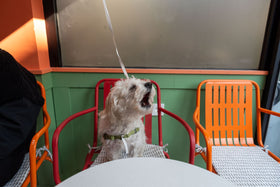



Moving House With a Dog: A Calm, Stress-Free Guide

Moving house is rated one of life's most stressful events — and your dog feels it too. Boxes appear, furniture vanishes, and the familiar scents of home are suddenly packed away. The good news is that moving with a dog can be calm and even straightforward, as long as you plan ahead and keep their world as steady as possible through the upheaval.
Dogs are creatures of routine, so the secret is simple: minimise surprises, keep the familiar things close, and give them a quiet, safe place at every stage. Do that and most dogs take a house move in their stride.
This guide walks you through the whole journey. We'll cover what to sort before the move, how to keep your dog safe and settled on moving day, and how to help them feel at home once you arrive.
The moving-with-a-dog checklist
- Update the ID tag and microchip with your new details
- Pack a dog "essentials bag" you can reach on the day
- Keep mealtimes, walks and routine as normal as possible
- Register with a new vet near your new home
- Plan safe, secure travel for moving day
- Set up one calm room first in the new house
Why Moving With a Dog Takes a Plan
A house move turns a dog's whole world upside down at once — sights, sounds, smells and routine all change in a single day. Some dogs barely notice; others go off their food, pace, or have a toileting slip-up or two. None of that means anything is wrong; it is simply stress, and a little preparation goes a long way to preventing it. Think of your job as being their anchor: the calmer and more predictable you are, the safer they feel.
Before the Move: Prep and Paperwork
The most important moving job is also the easiest to forget: updating your dog's identification. Change the address and phone number on their ID tag, and update their microchip details with the registry. A moved dog who slips out of an unfamiliar garden is far more likely to come home if its records point to where you actually live now.

While you are at it, pack a dog essentials bag you can grab instantly: a few days of food, bowls, medication, poo bags, a favourite toy and their bed. That way you are never digging through boxes at bedtime. Register with a vet near the new place, and if your dog is a nervous explorer, a GPS tracker gives real peace of mind in the first unfamiliar weeks.
From $9.99
- Re-engrave with your new address and phone number
- The quickest way home if your dog wanders in a new area
- Durable stainless steel in several shapes and finishes
Keep in mind: order it a week or two before moving day.
View product$69.99
- Live location tracking for those first unfamiliar weeks
- Real reassurance if your dog spooks in a new garden
- Fully waterproof for any weather on settling-in walks
Keep in mind: set it up and test it before the move.
View productOn Moving Day: Keep Them Safe and Calm

Moving day is chaos — open doors, strangers carrying furniture, and a hundred chances for a stressed dog to bolt. The kindest plan is often to keep your dog out of the thick of it: a quiet room with the door shut and a "do not open" note, a trusted friend's house, or daycare for the day.
When it is time to travel, secure them properly in the car with a crash-tested seatbelt harness or a sturdy carrier — never loose. Bring water, take breaks on longer drives, and keep your own voice calm and upbeat; your dog takes their cue from you.
$19.99
- Clips a harness to the seatbelt to keep your dog secure
- Stops a nervous dog leaping around a packed car
- Simple, adjustable and quick to fit on the day
Keep in mind: attach it to a harness, never a neck collar.
View product$29.99
- A secure, breathable den for small dogs in transit
- Keeps a little dog calm and contained amid the chaos
- Soft-sided and easy to carry between car and door
Keep in mind: best for small breeds; larger dogs need a crate.
View productSettling Into the New Home
When you arrive, resist the urge to give your dog the full tour. Instead, set up one calm room first — their familiar bed, water bowl, a couple of toys and a worn T-shirt that smells of you. Let them decompress there while the boxes come in. Once the dust settles, introduce the rest of the house room by room, and walk the garden boundary with them on a lead to check for gaps and escape routes before any off-lead time.
Keep mealtimes, walk times and bedtime exactly as they were; that familiar rhythm is the fastest route to a settled dog. Expect a few unsettled days, watch for stress signs like pacing or appetite changes, and give plenty of quiet reassurance. Most dogs feel at home within a week or two.
$44.99
- A familiar, comforting anchor in a brand-new home
- Plush, supportive walls for a dog to curl up and settle
- Machine-washable cover to freshen up after the move
Keep in mind: bring the old bed first, before buying new.
View productLong-Distance and Long-Haul Moves
Moving across the country — or to a new one — adds a few layers. For long road trips, plan regular stops every couple of hours for water, a stretch and a toilet break, and never leave your dog in a hot car.
If you are flying or crossing borders, check airline crate rules and any pet import paperwork, vaccinations or health certificates well in advance, as these can take weeks to arrange. Whatever the distance, the principles stay the same: secure travel, familiar comforts, and a calm, unhurried settle-in at the other end.
Settling In, Together
Moving with a dog is really an exercise in reassurance. Sort the ID and paperwork early, keep their routine and familiar comforts close, travel safely, and settle them in one calm step at a time. Do that, and a move that could rattle them becomes just another adventure you take together.
Be patient through the first unsettled days, and lean on your vet for anything that worries you. Before long your dog will be napping in their favourite new sunny spot, as though they had always lived there.
Keep reading
- Why Your Dog Needs a Car Seatbelt — why a crash-tested harness keeps your dog secure on the drive.
- Benefits of a Waterproof GPS Dog Collar — live tracking for those first unfamiliar weeks in a new area.
- Choosing the Right Dog Collars for Your Pet — pick a comfortable, secure collar with up-to-date ID.
Frequently Asked Questions
How do I keep my dog calm on moving day?
Keep them out of the chaos — a closed quiet room, a friend's house or daycare — and stick to their normal feeding and walking times. Secure them safely in the car, bring familiar items, and stay calm yourself, as dogs mirror your mood.
How long does it take a dog to settle after moving?
Most dogs settle within one to two weeks. Keeping routines steady, setting up one familiar room first and giving lots of reassurance all speed it up. If unsettled behaviour lasts much longer, check in with your vet.
Should I update my dog's microchip when I move?
Yes — it is one of the most important moving tasks. Update your address and phone number on both the microchip registry and the ID tag, so a lost dog in unfamiliar surroundings can be reunited with you quickly.
How do I help my dog adjust to a new garden?
Walk the boundary together on a lead first and check the fences for any gaps or escape routes before allowing off-lead time. Supervise early visits, and let your dog explore and scent-mark at their own pace.
Is it safe to move a dog long distance by car?
Yes, with planning. Secure your dog with a seatbelt harness or crate, and stop every couple of hours for water and a toilet break. Never leave them in a hot car, and pack their food, water and a familiar blanket for the journey.

Written by the Dog's Love Store Team
Between us at Dog's Love Store we have moved more than a few dogs to new homes. We know how much a little preparation softens the upheaval. We kit out owners with the travel, ID and comfort gear that makes the day go smoothly, and for the microchip and ID guidance here we checked our advice against the veterinary team at PDSA.