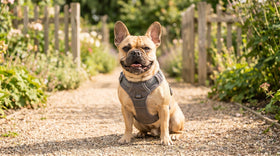



Is a Dog Harness Better Than a Collar?

Dog harness vs collar — it’s one of the most common questions new dog owners ask: should you walk your dog on a harness or a collar? Scroll through any pet forum and you’ll find passionate arguments on both sides — which isn’t much help when you’re standing in the shop trying to decide.
Here’s the honest truth: there’s no single winner. A harness and a collar do slightly different jobs. The “right” answer depends entirely on your dog — their size, their breed, whether they pull, and what you need the gear to do. If you land on a harness, our full guide to choosing and fitting a dog harness breaks down the main types and how to get the fit right.
So instead of crowning a champion, let’s look at exactly when each one shines, where each falls short, and why a lot of dogs are happiest wearing both.
Key takeaways
- Neither wins outright — a harness and a collar do different jobs.
- Reach for a harness for pullers, puppies, seniors, and small or flat-faced breeds — it keeps pressure off the neck.
- A collar suits calm walkers and is the natural home for ID tags (often a legal must in public).
- The setup most dogs are happiest with: a collar for everyday ID plus a harness for walks.
When A Harness Is The Better Choice
A harness spreads the pressure of the lead across your dog’s chest and shoulders instead of their throat. That single difference makes it the kinder, safer option for a lot of dogs. Reach for a harness if your dog:
- Pulls or lunges on the lead — the pressure goes to the chest, not the windpipe.
- Is a flat-faced or small breed (Frenchie, Pug, Chihuahua) prone to breathing or neck issues.
- Is a wriggly escape artist — a harness is much harder to back out of than a collar.
- Is a puppy or a senior, where protecting a developing or ageing neck and spine really matters.

This is exactly why the veterinary team at PDSA recommend walking dogs that pull on a harness — it helps prevent them hurting their neck while you work on lead manners.
When A Collar Still Makes Sense
Collars are far from obsolete. For a dog that already walks calmly on a loose lead, a well-fitted flat collar is light, comfortable and ready in seconds. A collar is also the natural home for your dog’s ID tag — and in many places, a collar and tag in public is a legal requirement, harness or not. A collar tends to suit your dog if they:
- Walk politely without pulling or lunging.
- Need ID on at all times — tags, and any AirTag, live neatly on a collar.
- Are heading out for a quick trip — a garden potty break or a dash to the car.

Dog Harness vs Collar At a Glance
| Harness | Collar | |
|---|---|---|
| Where pressure goes | Spread across the chest | Concentrated on the neck |
| Best for | Pullers, puppies, small & flat-faced breeds, seniors | Calm walkers and everyday ID |
| Watch out for | Bulkier, slower to put on, can warm up long coats | Neck strain if your dog pulls hard |
| Holding ID tags | Usually still needs a collar for tags | Perfect — tags sit right there |
The Honest Answer: Most Dogs Are Happiest With Both
You don’t actually have to choose a side. The setup most trainers and vets land on is simple: keep a collar with ID on your dog day to day, and clip the lead to a harness for walks and training. Your dog gets constant identification and pressure-free walks, and you get the best of both.
If your dog is new to a harness, take it slowly — let them sniff it, pair it with treats, and build up before that first walk. Dogs Trust has a lovely gentle, step-by-step way to introduce one without any drama.
A Quick Word On Harness Types
If you do go the harness route, you’ll mostly meet two styles. A back-clip harness (the lead attaches between the shoulders) is comfy and easy for everyday walks with a dog who doesn’t pull much. A front-clip harness (lead attaches at the chest) gently turns a puller back towards you, which makes it a handy training aid. Think of it as a stepping stone rather than forever gear.

Two other styles are worth knowing. A step-in harness — your dog stands in it and you clip it closed over the back — is a gift for wrigglers who hate anything going over their head. A head halter, which loops gently over the nose, gives extra steering for very strong pullers, but it needs a calm introduction and should never be jerked, so it’s best used with a trainer’s guidance. For most dogs, a well-fitted back-clip harness handles everyday walks while a front-clip is the one to reach for as you teach loose-lead manners — our step-by-step leash training guide walks you through that part.
Getting The Fit Right
Whichever you choose, the fit is what makes it safe and comfortable — and checking it takes about two minutes. The same test works for a collar or a harness: you should be able to slide two fingers flat between the strap and your dog, no more and no less. Any looser and a determined dog can wriggle backwards out of it; any tighter and it starts to rub.

- Collar: sit it high on the neck, do it up, then check that two-finger gap. On a growing puppy, re-check every couple of weeks.
- Harness: measure the widest part of the chest, just behind the front legs, and match it to the size guide — then adjust each strap so nothing digs in or gapes, with the chest piece sitting centred rather than sliding to one side.
- Warning signs: rubbed or thinning fur under the straps, a dog that keeps slipping free, or pink, irritated skin all mean it’s time to loosen, resize or re-measure.
Our Picks For Walks & Everyday Wear
A few favourites from our harness and collar ranges — whichever side of the debate your dog lands on.
From $39.99
- Padded body harness that lifts pressure off the neck
- Eight sizes from Small to 5X-Large, with reflective trim
- A strong, comfy pick for pullers and active dogs
Keep in mind: takes a moment longer to put on than a collar.
View product$29.99
- Perfect-fit design for flat-faced and small breeds
- Reflective panels for safer low-light walks
- Gentle on delicate necks and airways
Keep in mind: sized Small to Large — check the fit before buying.
View productFrom $30.99
- Classic leather collar with a matching lead
- Ideal for everyday wear and holding ID tags
- Softens and improves with age
Keep in mind: best for calm walkers rather than strong pullers.
View productSo, Which Should You Choose?
If your dog pulls, is small or flat-faced, or has any neck or breathing worries, lead with a harness. If they walk calmly and you mainly need a tidy home for their ID, a collar will serve them well. And if you’d rather not pick? You’re in good company — a collar for ID plus a harness for walks is the combination most dogs thrive on.
Whichever you choose, fit is everything: snug enough to stay put, loose enough to move freely. Get that right, and every walk is comfier for both of you.
Keep reading
- Choosing the Right Dog Collars for Your Pet — pick the right collar style, width, and fit for your dog.
- Choosing the Best Dog Leashes for Every Walk — match lead length and material to how you walk.
- Benefits of a Waterproof GPS Dog Collar — track your dog's location and stay ready for adventures.
Frequently Asked Questions
Is a harness or a collar better for a puppy?
A lightweight harness is usually kinder for a puppy, protecting their developing neck and giving you gentle control as they learn. Pair it with a collar and ID tag for everyday wear, and keep checking the fit as they grow.
Do harnesses make dogs pull more?
A back-clip harness can give a determined dog something to lean into, but it doesn’t cause pulling — that’s a training habit. A front-clip harness actually helps by turning a puller back towards you while you teach loose-lead walking.
Can my dog wear a harness all day?
It’s best kept for walks and training. Worn around the clock a harness can rub or trap heat, especially on long-coated dogs. For everyday wear, a comfortable collar with ID is the better all-day option.
Are harnesses better for small breeds?
Very often, yes. Small and toy breeds have delicate windpipes that a collar can strain if they pull, so a well-fitted harness spreads the load safely. Flat-faced breeds in particular tend to do better in a harness.
Does my dog still need a collar if they wear a harness?
Yes — a harness rarely holds ID neatly, and in many areas a collar with an ID tag in public is a legal requirement. The simplest approach is a collar for ID at all times, plus a harness clipped on for walks.
Which is best for a dog that pulls hard?
A harness, paired with training. It protects the neck while you work on lead manners, and a front-clip design gives you extra steering. A plain collar puts all that force straight onto the throat, so it’s the riskier choice for a strong puller.

Written by the Dog’s Love Store Team
At Dog’s Love Store, matching the right walking gear to the right dog is part of the day job. We stock everything from no-pull harnesses to classic collars, so we see first-hand what works for pullers, puppies and laid-back strollers alike. For this guide we checked our advice against the veterinary team at PDSA and the trainers at Dogs Trust, so you’re getting more than just a shop’s opinion.